


Every appliance repair business owner has experienced it: the customer who confidently attempts a repair after watching a YouTube video, only to call you when things go sideways. It's frustrating to arrive at a job that's now more complicated—and expensive—because someone followed internet advice without the experience to know when they were in over their head.
The DIY repair movement, fueled by YouTube tutorials and online forums, has undeniably changed the appliance repair landscape. But is it the existential threat it appears to be, or could it present opportunities for savvy business owners?
The Reality of the DIY Phenomenon
Let's acknowledge the obvious: you've lost jobs to YouTube. Simple repairs that once provided steady revenue—replacing refrigerator water filters, cleaning dryer vents, resetting control boards—are now handled by homeowners armed with smartphone videos and confidence.
The right-to-repair movement has accelerated this trend. Manufacturers are increasingly required to provide service manuals, diagnostic codes, and parts access to consumers. Combined with online parts retailers and video tutorials, the barrier to DIY repair has never been lower.

Specifically, younger homeowners are drawn to DIY solutions. They're comfortable with technology, motivated by cost savings, and often view fixing things themselves as satisfying. For straightforward repairs, they're frequently successful.
Where DIY Goes Wrong
Here's what YouTube videos don't show: the years of experience that help professional technicians know when that "simple fix" is actually a symptom of a larger problem. Videos can't teach pattern recognition, safety instincts, or the judgment that comes from seeing thousands of appliances.
Common DIY failures include ordering the wrong part based on misdiagnosis, creating safety hazards with electrical or gas connections, causing additional damage through improper disassembly, voiding warranties through unauthorized repairs, and underestimating repair complexity until they're stuck mid-job with an appliance in pieces.
The refrigerator "not cooling" might seem like a simple compressor relay replacement in a video. A professional recognizes that the sealed system has failed and that relay replacement is a waste of money. The homeowner doesn't discover this until they've spent $50 on parts and two frustrated hours.
DIY attempts with gas appliances, electrical components, or sealed refrigeration systems can create genuine safety risks. What seems like a money-saving fix can result in gas leaks, electrical fires, or refrigerant exposure.
The "Repair the Repair" Opportunity

Here's the counterintuitive truth: DIY attempts often generate more business for professional repair companies, not less. You've likely seen the pattern: the customer who stripped the screws trying to access a component, cross-threaded a water line fitting and caused a leak, disconnected multiple wires without labeling them, or installed a part incorrectly and damaged surrounding components.
These "repair the repair" calls can be frustrating, but they're also opportunities. The customer has already learned—the hard way—that professional help has value. They're typically more appreciative, less likely to question your pricing, and often become loyal customers because they now understand the complexity involved.
The key is handling these situations professionally. Avoid "I told you so" attitudes. Instead, empathize: "I appreciate that you tried to fix it yourself—that shows you care about your appliances. Let's see what we're working with and get this sorted out." This approach builds rapport rather than resentment.
Strategic Responses to the DIY Trend
Smart appliance repair businesses are adapting their approach rather than fighting the inevitable. Consider these strategies:
Embrace selective DIY guidance. When customers call with simple issues—resetting a breaker, cleaning a filter, checking if the appliance is plugged in—walk them through it over the phone. Yes, you've just lost a service call. But you've gained credibility and a customer who will call you for real problems. This triage approach increases lifetime customer value.
Create your own content. Why let random YouTubers control the narrative? Produce your own videos covering common issues, when to DIY versus when to call a pro, and how to avoid common mistakes. This positions you as the expert and captures customers researching repairs. Include your contact information prominently—many viewers will watch and decide they'd rather hire you.
Offer diagnostic services. Some customers want to do the work but need proper diagnosis. Consider offering paid diagnostic appointments where you identify the problem, explain the repair, and let them choose whether to hire you or attempt it themselves. This generates revenue while building goodwill.
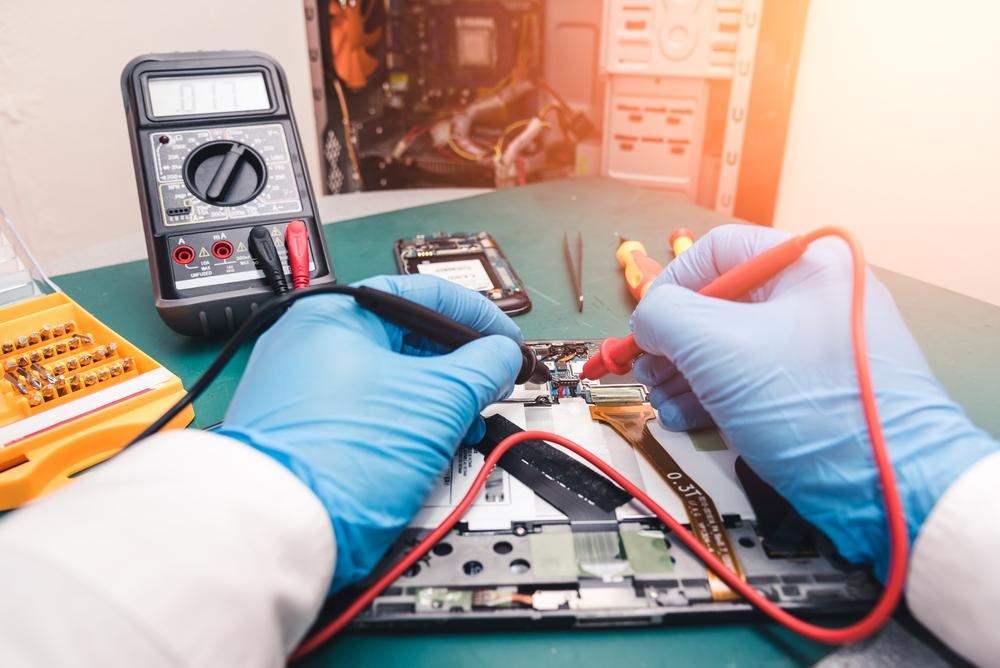
Price appropriately for complexity. Some repairs should be discouraged for DIY—anything involving refrigerant, gas lines, or high-voltage electrical work. When customers call about these, clearly explain the safety risks and licensing requirements. Your pricing should reflect both the technical complexity and the liability you're assuming.
Stock common DIY-failure parts. Keep inventory of components frequently damaged during DIY attempts. When you get those "repair the repair" calls, you can fix the problem same day rather than waiting for parts. This improves customer satisfaction and captures revenue that might otherwise go to a competitor.
The Larger Perspective
The DIY trend is validating the expertise professional technicians bring to every call. Each homeowner who attempts a repair and fails gains new appreciation for diagnostic skills, proper tools, and experience-based judgment.
Rather than viewing YouTube as competition, consider it a sorting mechanism. It handles genuinely simple repairs while routing more complex work—and often, work made complex by failed DIY attempts—to professionals. The customers who remain in your pipeline are those with problems requiring your expertise.
The appliance repair businesses struggling most with the DIY trend are often those clinging to outdated service models. If your revenue depends heavily on simple fixes that homeowners can reasonably handle themselves, your business model needs evolution anyway.
Focus instead on diagnostic excellence, comprehensive service, building customer relationships, and solving complex problems. These are things YouTube can't replicate—and they're where the sustainable profit lies in modern appliance repair.
The DIY movement isn't killing professional appliance repair. It's simply raising the bar for what professional service means.

